
 January 12th 2026
The 5 Most Overlooked Home Repairs That Kill Resale Value
When homeowners think about increasing resale value, they usually focus on visible upgrades like modern kitchens, new flooring, or a fresh coat of paint. While these improvements certainly help, many homes lose significant value for much quieter reasons. Small, overlooked repairs often raise red flags for buyers, weaken trust during negotiations, and lead to price reductions that could have been avoided with timely attention.
In today’s real estate market, buyers are cautious and data-driven. Home inspections are thorough, online listings are scrutinized, and even minor defects can shift buyer perception from “well-maintained” to “problematic.” Understanding which repairs truly matter can protect your property’s value and help you sell faster and smarter.
Why Small Repairs Have a Big Impact on Resale
Buyers don’t just purchase square footage; they buy peace of mind. Overlooked repairs suggest deferred maintenance, which raises concerns about hidden costs. Even if the issues are minor, buyers often assume there are larger problems beneath the surface. This perception alone can reduce offers, increase inspection negotiations, or cause deals to fall through entirely.
Homes that feel “move-in ready” consistently outperform those that require immediate fixes. Addressing small but critical repairs before listing helps preserve value, improve buyer confidence, and strengthen your negotiating position.
Overlooked Repair #1: Roofing and Gutter Issues
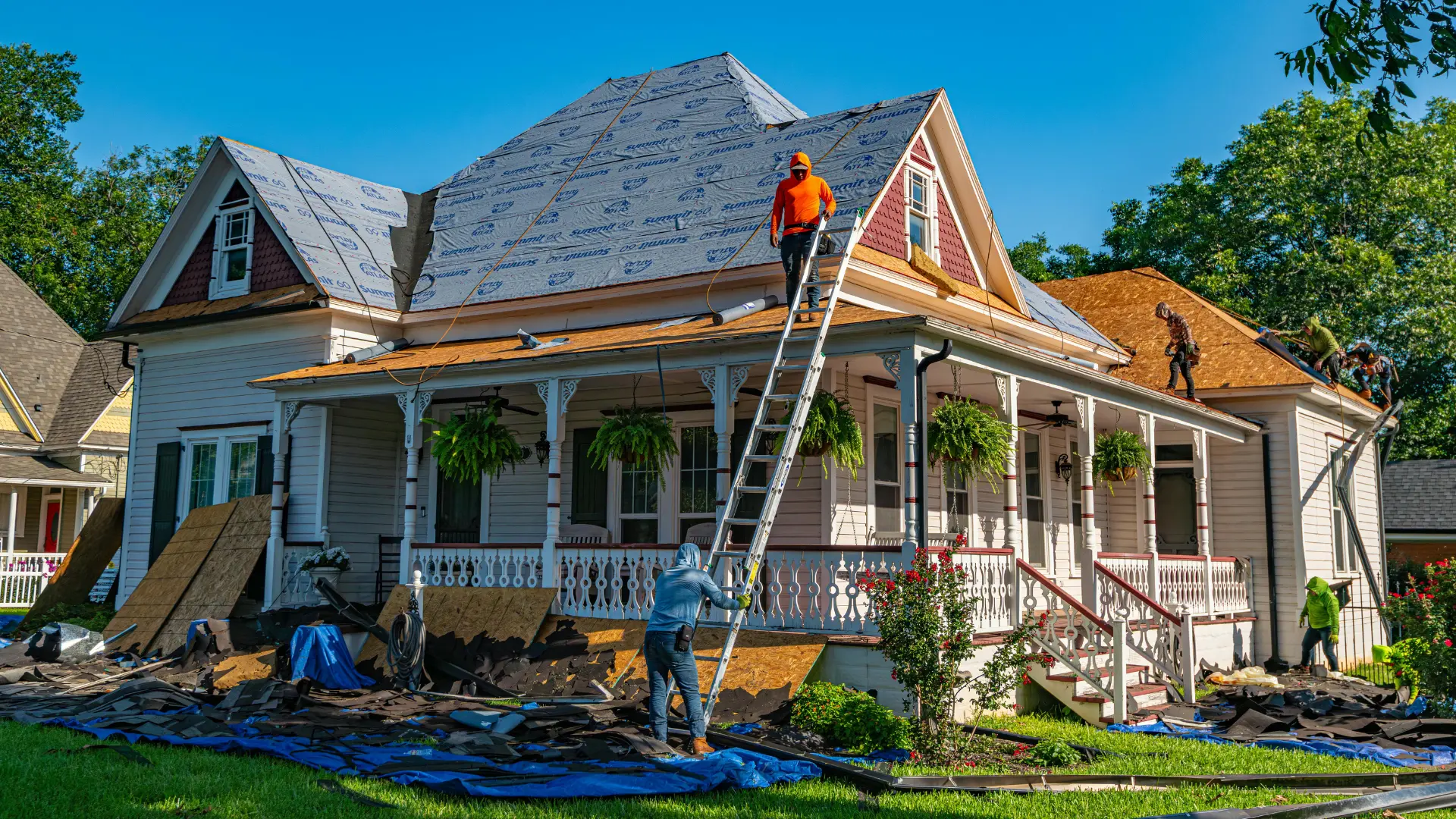
Roof problems are one of the fastest ways to scare buyers. Missing shingles, visible sagging, water stains, or clogged gutters immediately raise questions about leaks and long-term damage. Even if the roof isn’t failing, its visible condition heavily influences buyer confidence.
Gutters are equally important. Poor drainage can lead to foundation issues, basement moisture, and exterior damage. Buyers often interpret neglected gutters as a sign that the homeowner hasn’t maintained the property overall, making them more cautious with their offers.
Overlooked Repair #2: Electrical and Plumbing Red Flags
Minor electrical and plumbing issues can feel insignificant to homeowners but alarming to buyers. Flickering lights, outdated panels, exposed wiring, slow drains, or leaky faucets suggest potential safety risks and future repair costs.
During inspections, these issues often lead to repair credits or price reductions that exceed the actual cost of fixing them beforehand. Buyers worry about what else may be hidden behind walls, and that uncertainty directly impacts perceived value.
Overlooked Repair #3: Foundation Cracks and Drainage Problems
Small foundation cracks, uneven flooring, or water pooling near the home may not always indicate major structural issues, but buyers rarely assume the best. Foundation concerns are among the most expensive and emotionally charged repair categories for buyers.
Poor exterior grading or drainage issues often amplify these concerns. Even if repairs are simple, buyers may assume worst-case scenarios and either lower their offer significantly or walk away altogether.
Overlooked Repair #4: HVAC Maintenance and Efficiency
Heating and cooling systems play a major role in buyer comfort and budgeting. An aging or poorly maintained HVAC system raises immediate questions about replacement costs, energy efficiency, and reliability.
Buyers may accept an older system if it’s well-documented and serviced regularly. However, neglected maintenance, inconsistent temperatures, or strange noises often result in price negotiations or requests for replacement credits, directly reducing resale value.
Overlooked Repair #5: Doors, Windows, and Insulation Gaps
Drafty windows, damaged seals, sticking doors, or poor insulation may seem cosmetic, but buyers interpret them as long-term energy and comfort issues. These small defects suggest higher utility bills and reduced efficiency, which can significantly impact buyer decisions.
Modern buyers are increasingly energy-conscious. Even minor inefficiencies can influence their perception of overall home quality and future expenses.
How Inspections Magnify Small Problems
Home inspections don’t just identify problems; they frame the narrative of the property. A report filled with small unresolved issues creates a sense of neglect, even if the home is structurally sound. Buyers often use inspection results to renegotiate price, request extensive repairs, or justify walking away.
Addressing these overlooked repairs before listing allows sellers to control the story, reduce negotiation friction, and maintain pricing strength.
Why Buyers Overestimate Repair Costs
Most buyers lack accurate repair cost knowledge. A minor plumbing fix or electrical update may cost a few hundred dollars, but buyers often assume thousands. This gap between perceived and actual cost leads to inflated negotiation demands and reduced offers.
Proactively fixing small issues removes uncertainty and keeps buyers focused on the home’s strengths rather than potential problems.
Strategic Pre-Listing Repairs That Preserve Value
Not all repairs are equal. Sellers should prioritize fixes that affect safety, structure, and functionality before cosmetic upgrades. Addressing roofing, electrical, plumbing, HVAC, and insulation concerns offers one of the highest returns on investment for resale.
A well-maintained home signals responsibility and care, which translates directly into stronger buyer confidence and higher perceived value.
Timing Repairs for Maximum Impact
Ideally, repairs should be completed before listing, not after an offer is received. Pre-listing repairs reduce inspection objections and speed up the sales process. Homes that pass inspections with minimal issues often sell faster and closer to asking price.
Waiting until buyers identify problems puts sellers in a reactive position, weakening leverage during negotiations.
The Long-Term Cost of Ignoring Small Repairs
Ignoring small issues doesn’t just affect resale; it often increases future repair costs. Minor leaks turn into water damage, drainage problems worsen foundations, and neglected HVAC systems fail prematurely. Addressing problems early protects both property value and long-term ownership costs.
Final Thoughts
Resale value isn’t only influenced by big renovations. Small, overlooked repairs can quietly erode buyer confidence and significantly reduce final sale prices. Homes that feel well-maintained consistently outperform those with visible neglect, even if the issues are technically minor.
Sellers who focus on preventative maintenance and strategic repairs position themselves for smoother transactions, stronger offers, and better outcomes. Tools and platforms like Broko help homeowners and sellers evaluate property readiness, understand buyer expectations, and make data-backed decisions that protect resale value in evolving markets.
Popular Post
Recent Post