
 December 15th 2025
Down Payment or Debt First? Smart Money Moves Before Buying a Home
Introduction
Buying a home is one of the most significant financial decisions many people will make in their lifetime. But before you even step foot in a property, there’s a critical question: should you focus on saving for a down payment or paying off existing debt?
This decision impacts not only your mortgage approval but also your long-term financial comfort, monthly cash flow, and overall wealth building. In 2025, rising home prices and interest rates make it even more important to have a solid strategy. This guide helps buyers understand the factors, risks, and best approaches to make smart financial moves before buying a home.
Understanding the Basics
Before deciding which path to prioritize, it’s important to understand the role of down payments and debt:
Down Payment
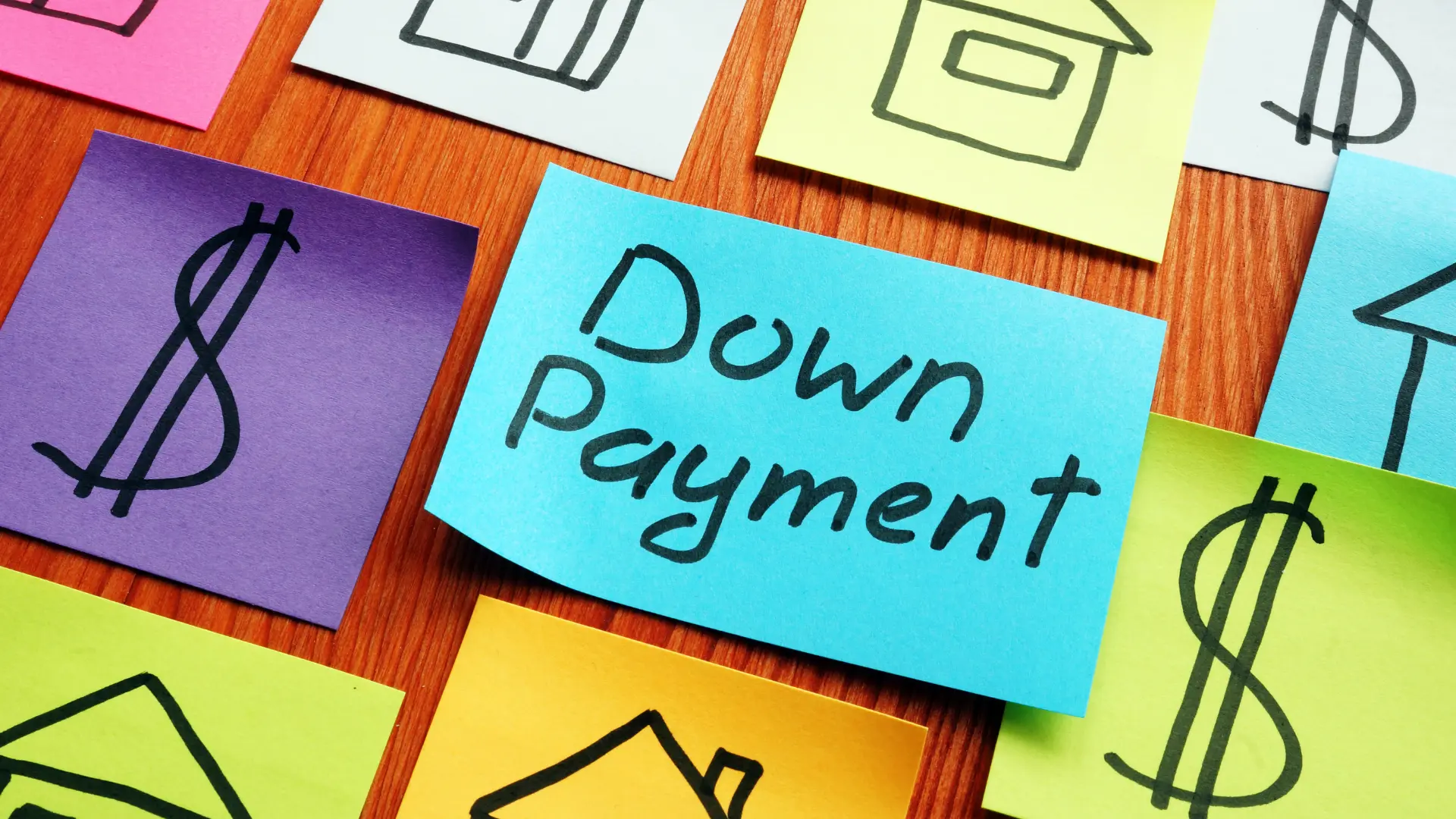
A down payment is the upfront cash you put toward purchasing a home. The larger the down payment, the smaller your mortgage balance and monthly payments. Key benefits include:
- Lower Monthly Mortgage Payments – Less principal to pay over time.
- Avoiding Private Mortgage Insurance (PMI) – Typically required if your down payment is under 20%.
- Stronger Mortgage Approval Chances – Lenders prefer buyers with substantial equity at the start.
Debt
Debt includes credit card balances, car loans, student loans, and personal loans. High-interest debt can negatively affect your credit score and monthly cash flow. Key considerations:
- Debt-to-Income Ratio (DTI) – Lenders use DTI to evaluate mortgage risk.
- Interest Costs – High-interest debt can outweigh the benefit of saving for a down payment.
- Financial Stress – Carrying debt while starting a mortgage can strain monthly budgets.
Balancing these two priorities requires analyzing your finances, goals, and risk tolerance.
Why Paying Down Debt First Can Be Smart
Reducing debt before buying a home has several advantages:
1. Lower Debt-to-Income Ratio
A lower DTI improves your mortgage approval chances and can qualify you for a higher loan amount. Lenders often prefer a DTI under 36%, including the new mortgage payment.
2. Improved Credit Score
Paying down debt reduces credit utilization, which positively impacts your credit score. A higher score can result in lower mortgage rates, saving thousands over the life of the loan.
3. Reduced Financial Stress
Eliminating high-interest obligations means more disposable income to cover mortgage payments, utilities, and unexpected repairs.
4. Flexibility for Emergencies
Less debt creates breathing room in your budget, which is essential for homeownership, especially if unexpected expenses arise.
Why Saving for a Larger Down Payment Can Be Smart
Focusing on a bigger down payment offers its own advantages:
1. Lower Monthly Payments
A larger down payment reduces the principal amount of your mortgage, which decreases monthly obligations.
2. Avoiding PMI
Private Mortgage Insurance can add 0.5–1% to your monthly payment. Saving 20% upfront eliminates this cost entirely.
3. Better Negotiating Power
Sellers often view buyers with substantial down payments as serious, reliable candidates, which can help in competitive markets.
4. Immediate Equity
Starting with more equity provides financial security and a buffer if home values fluctuate.
Finding the Balance: Hybrid Approach
For many buyers, a hybrid strategy is most effective:
- Simultaneous Savings and Debt Repayment – Allocate a portion of income to paying down high-interest debt and another portion to your down payment fund.
- Prioritize High-Interest Debt – Credit cards or loans with interest rates above 6–8% should typically be paid off first.
- Automate Savings – Use automatic transfers to a dedicated home fund to ensure consistent growth.
- Adjust Based on Market Conditions – Rising interest rates or home prices may require faster down payment savings.
This approach ensures progress in both areas while maintaining flexibility.
Strategies for Maximizing Savings
- Cutting Non-Essential Expenses – Reduce dining out, subscriptions, and luxury spending.
- Side Income – Freelancing, part-time work, or selling unused items can boost savings.
- Employer Programs – Some employers offer matched savings or homebuying programs.
- High-Interest Savings Accounts (HISA) – Grow your down payment faster than a regular checking account.
- Windfalls – Bonuses, tax refunds, or gifts can be directed toward your down payment.
Understanding the Long-Term Impact
The choice between debt repayment and down payment savings affects long-term homeownership:
- Higher Debt + Smaller Down Payment – Can result in higher monthly payments, increased interest, and financial strain.
- Low Debt + Large Down Payment – Reduces interest paid, lowers monthly obligations, and provides equity for future moves.
- Balanced Approach – Ensures both financial security and ability to act when the right property appears.
Practical Example
Imagine a buyer with:
- $30,000 in credit card debt at 18% interest
- $50,000 saved for a down payment
Option 1: Pay down debt first → lower monthly obligations, better mortgage approval, potential interest savings.
Option 2: Increase down payment → reduces mortgage principal, avoids PMI, and builds equity.
A hybrid plan could allocate $2,000/month: $1,200 to debt, $800 to down payment. Within 18–24 months, debt is reduced and the down payment is substantial, creating a strong position for buying.
Conclusion
Deciding between paying down debt or saving for a down payment is highly personal, depending on your financial situation, market conditions, and goals. By understanding trade-offs and employing a balanced strategy, buyers can enter homeownership with confidence, stability, and long-term financial comfort.
For buyers seeking guidance on affordability, market trends, and home options, Broko provides AI-powered tools to analyze your finances and help make informed home-buying decisions.
Popular Post
Recent Post