
 January 20th 2025
Sustainable Living: Eco-Friendly Home Design Trends for 2025
Sustainable living has become more than just a passing trend—it is a fundamental shift in how we approach home design and construction. With climate change concerns at an all-time high and energy efficiency being a top priority, homeowners and developers are seeking ways to incorporate eco-friendly practices into their properties. In 2025, sustainable home design trends focus on energy efficiency, smart technology, sustainable materials, and water conservation while maintaining aesthetic appeal and functionality.
Whether you're looking to buy, renovate, or build, understanding these trends can help create a greener and smarter home that aligns with modern sustainability goals.
1. Energy Efficiency and Smart Homes
Energy-efficient homes are no longer optional; they are a necessity. The integration of smart home technology has transformed the way homeowners manage energy consumption, leading to lower utility bills and a reduced carbon footprint.
Smart Thermostats and Lighting
Smart thermostats and lighting systems are among the most effective ways to reduce energy waste. These systems learn user behavior to optimize temperature settings and minimize energy consumption.
- LED Lighting: LED lights consume 75% less energy than traditional bulbs and last significantly longer, making them a staple in sustainable home design.
- Motion Sensors and Timers: These help in reducing energy waste by automatically adjusting lighting based on occupancy.
Renewable Energy Solutions
Solar panels and wind energy solutions have seen an exponential rise in adoption.
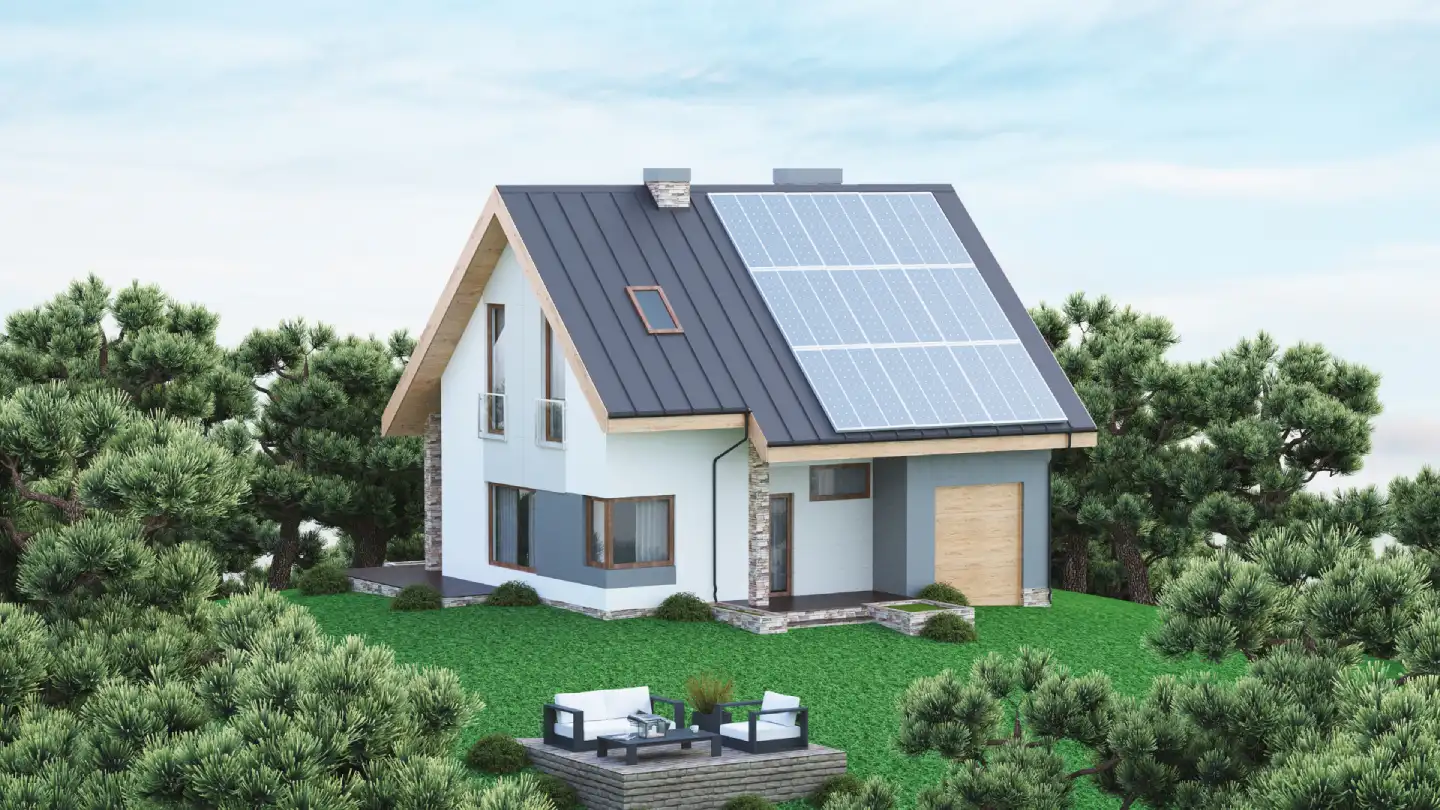
- Solar Panels: Modern photovoltaic panels are more efficient and affordable than ever before. Many government incentives further reduce installation costs.
- Wind Energy: Small residential wind turbines provide supplementary power, particularly in rural and suburban areas.
2. Sustainable Building Materials
Eco-friendly materials are a key component of green home design. Many home buyers and developers are prioritizing properties with durable and low-carbon-footprint materials.
Reclaimed and Recycled Materials
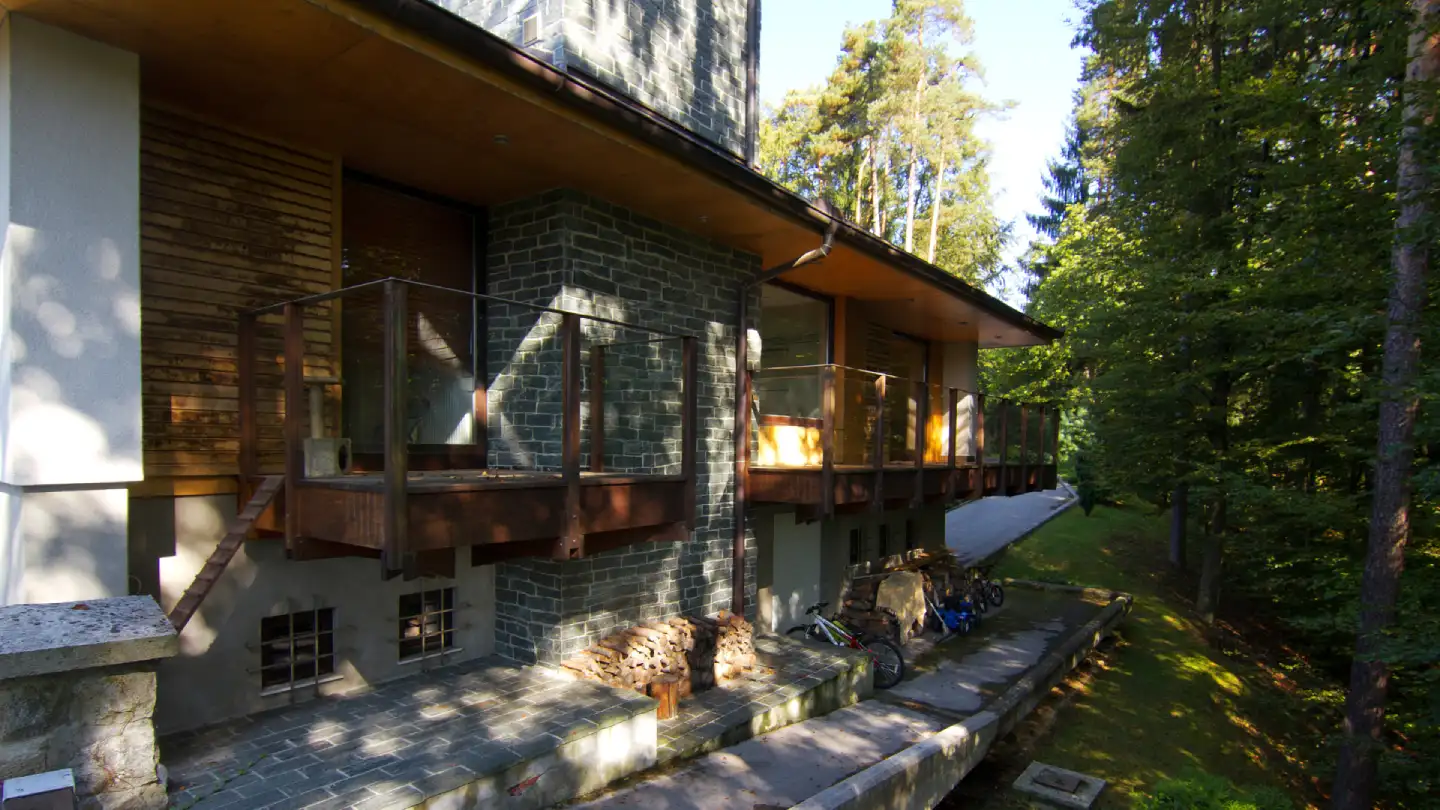
Reclaimed wood, recycled metal, and repurposed stone are becoming increasingly popular for construction and interior design. These materials reduce deforestation and minimize waste.
- Bamboo Flooring: Bamboo grows rapidly, making it a highly renewable resource for flooring.
- Recycled Steel: Using recycled steel reduces the demand for new mining and decreases environmental impact.
Low-VOC and Non-Toxic Paints
Volatile Organic Compounds (VOCs) are harmful chemicals found in traditional paints and finishes. Low-VOC and non-toxic alternatives improve indoor air quality and reduce health risks.
3. Water Conservation Innovations
Water conservation is crucial, especially in regions prone to droughts. Sustainable home design now integrates technologies that optimize water use without compromising convenience.
Rainwater Harvesting Systems
Homeowners are increasingly installing rainwater harvesting systems to collect and store rainwater for irrigation and household use.
- Greywater Recycling: Reusing water from sinks, showers, and washing machines for irrigation reduces overall water consumption.
- Smart Irrigation Systems: These monitor weather patterns and adjust watering schedules accordingly.
4. Biophilic Design and Indoor Green Spaces
Biophilic design emphasizes the connection between nature and living spaces. In 2024, more homeowners are incorporating plants, green walls, and natural ventilation systems to enhance air quality and well-being.
Indoor Gardens and Vertical Green Walls
- Hydroponic Gardens: These allow homeowners to grow herbs and vegetables indoors with minimal water use.
- Living Walls: Vertical gardens not only improve aesthetics but also act as natural air purifiers.
5. Net-Zero Homes
Net-zero homes produce as much energy as they consume, making them the gold standard for sustainable living.
- High-Performance Insulation: Reduces heating and cooling needs, lowering energy consumption.
- Triple-Glazed Windows: Enhance insulation, reducing reliance on artificial heating and cooling systems.
6. Sustainable Urban Development
Cities are also adopting green building initiatives, incorporating smart grids, green roofs, and energy-efficient infrastructure.
7. Minimalist and Multi-Functional Design
Sustainable living extends to interior design. Minimalist homes with multi-functional furniture reduce waste and promote longevity in home decor.
- Convertible Furniture: Space-saving designs like foldable tables and Murphy beds optimize smaller spaces.
- Reclaimed Decor: Upcycled furniture and decor pieces add character while minimizing environmental impact.
8. Sustainable Landscaping
Landscaping plays a crucial role in a home's sustainability. Homeowners are now opting for native plants, drought-resistant landscaping, and organic gardening techniques.
- Xeriscaping: Landscaping that requires minimal water use, ideal for arid regions.
- Composting: Reduces organic waste and enriches the soil naturally.
9. Education and Continuous Improvement
Staying informed about sustainable practices is essential. Homeowners can adopt the following approaches:
- Sustainability Certifications: Look for homes certified by organizations such as LEED (Leadership in Energy and Environmental Design) or Passive House.
- Workshops and Seminars: Attending workshops on sustainable home maintenance helps homeowners stay updated on the latest green innovations.
Conclusion
Sustainable living is no longer just an option—it’s the future of home design. By integrating these eco-friendly home design trends, individuals can reduce their carbon footprint while enjoying a modern and comfortable living space. From energy-efficient appliances to smart irrigation systems and net-zero homes, the opportunities to create a sustainable home in 2024 are endless. By embracing these practices, homeowners can contribute to a greener planet while benefiting from lower energy costs, improved indoor air quality, and long-term property value. The move towards green homes ensures that the next generation inherits a world that is not only liveable but thriving.
Popular Post
Recent Post