

 March 17th 2025
The Future of Smart Homes: Hype or Reality?
Smart homes have transitioned from a futuristic concept to an essential part of modern living. With advancements in automation, energy efficiency, and AI-powered real estate tools like broko.ai, homeowners and buyers can now access homes that are more connected, secure, and sustainable than ever before. But is this shift a passing trend, or are smart homes the future of real estate? This article explores the latest developments in smart home technology, adoption rates, and how real estate AI is playing a pivotal role in shaping the housing market.
Understanding Smart Homes
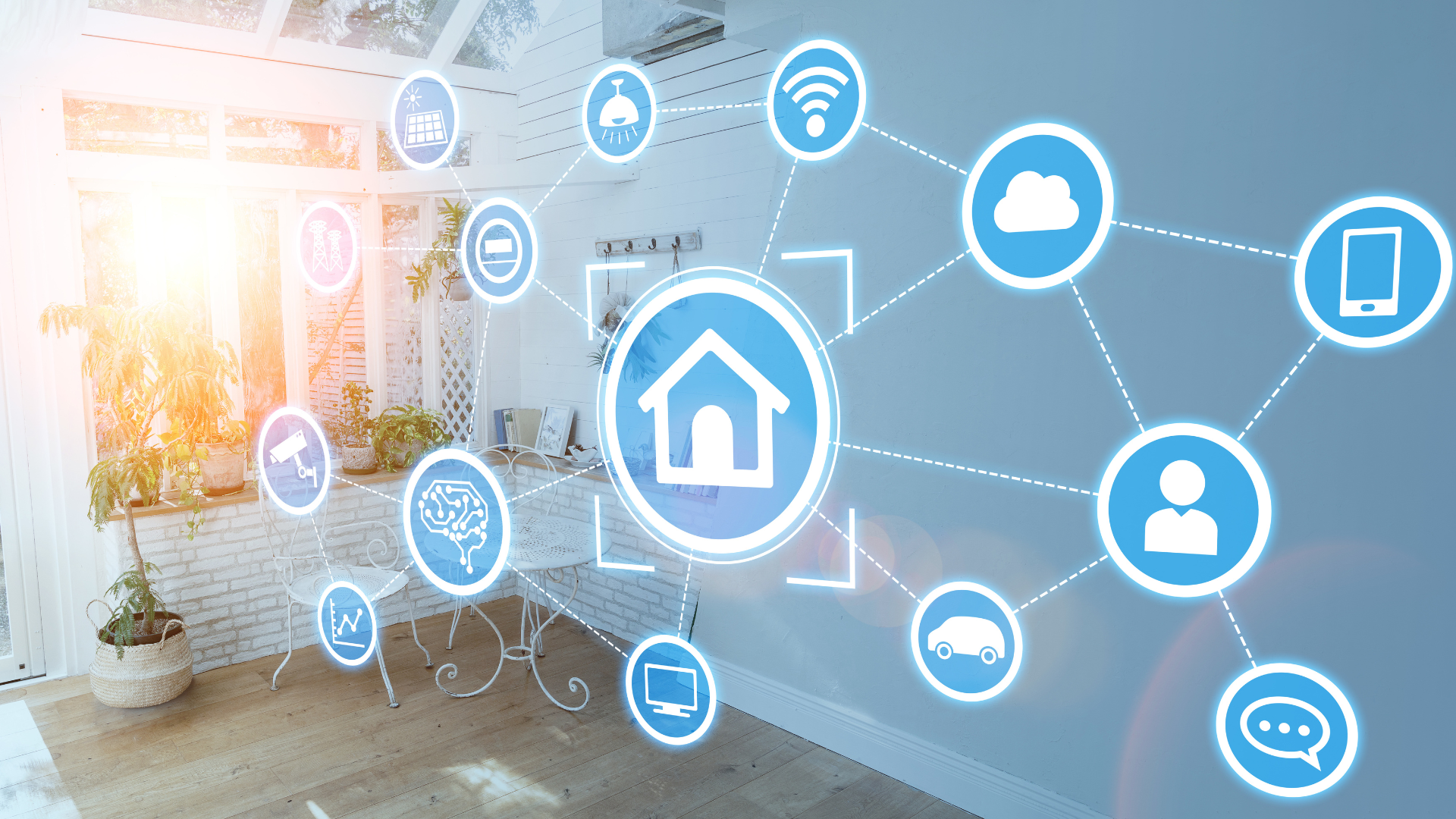
A smart home integrates various internet-connected devices that automate and optimize different aspects of daily life, including lighting, security, temperature control, and even household appliances. These devices are typically connected through a centralized hub or voice assistants like Amazon Alexa, Google Home, and Apple HomeKit.
Key Components of a Smart Home:
- Home Automation: Smart thermostats, lights, and locks that can be controlled remotely.
- Energy Efficiency: Solar panels, smart meters, and AI-driven energy management systems.
- Security & Surveillance: Smart cameras, motion sensors, and biometric locks.
- Connected Appliances: AI-powered kitchen appliances, robotic vacuum cleaners, and smart laundry machines.
- Voice Control & AI Assistants: Integration with voice-activated systems for seamless control.
Adoption Rates & Market Trends
The global smart home market is experiencing exponential growth. According to Statista, the smart home industry is expected to reach $150 billion by 2025, with North America leading the way. In Canada, smart home adoption has increased significantly due to rising consumer interest in automation and energy efficiency.
Statistics on Smart Home Adoption in Canada:
- Over 40% of Canadian households use at least one smart home device.
- Security systems (smart cameras, locks) are the most popular category, followed by smart lighting and thermostats.
- The government’s push towards energy-efficient homes is driving more Canadians to adopt smart meters and solar panels.
How broko.ai & Real Estate AI are Transforming Smart Home Purchases
Finding a smart home that suits your needs is now easier with real estate AI. AI-powered platforms like broko.ai analyze property features, compare automation levels, and recommend homes that integrate cutting-edge smart technology.
AI-Driven Benefits for Home Buyers:
- Personalized Property Matching: AI suggests smart homes based on user preferences.
- Energy Efficiency Analysis: AI evaluates and predicts long-term energy savings.
- Smart Home Readiness Score: broko.ai provides insights into how well a property is equipped for automation.
- Real-Time Market Analysis: AI tracks trends and price fluctuations to help buyers make informed decisions.
- Virtual Property Tours: AI-powered 3D tours allow potential buyers to explore smart homes remotely.
Energy Efficiency & Sustainability in Smart Homes
Sustainability is at the forefront of smart home technology. The Canadian government offers incentives for energy-efficient homes, making it more attractive for homeowners to adopt solar energy, heat pumps, and smart grids.
Innovations in Energy-Efficient Smart Homes:
- Solar-powered smart homes reduce dependency on traditional electricity.
- Smart water management systems help conserve resources.
- AI-driven energy audits optimize home energy consumption.
- Automated Climate Control: Smart thermostats adjust room temperatures based on real-time occupancy.
- Intelligent Lighting: AI-based lighting systems reduce electricity consumption by learning user habits.
Challenges & Concerns with Smart Homes
Despite their benefits, smart homes come with challenges that homeowners and investors should consider.
Key Concerns:
- Cybersecurity Risks: The risk of hacking and data breaches.
- High Initial Costs: Smart home upgrades can be expensive.
- Compatibility Issues: Different smart devices may not always integrate seamlessly.
- Data Privacy: AI-driven smart home systems collect and analyze large amounts of user data.
- Maintenance Requirements: Advanced automation systems may require specialized repairs.
The Future of Smart Homes in Canada
The integration of real estate AI and smart technology will continue to evolve. In the next decade, AI will play a larger role in home automation, predictive maintenance, and even AI-generated architectural designs.
What to Expect in the Future:
- Self-sufficient smart homes powered entirely by renewable energy.
- AI-driven real estate investments, where AI predicts property appreciation based on smart home features.
- Seamless home automation, where AI anticipates your needs before you even make a command.
- Smart Neighborhoods: Entire communities designed with interconnected smart homes for enhanced safety and efficiency.
- Blockchain in Real Estate: Secure, AI-managed property transactions using blockchain technology.
- Advanced AI Security: AI-driven security systems with real-time threat detection and response capabilities.
Conclusion
Smart homes are no longer just a concept; they are shaping the future of real estate. As AI technology advances, platforms like broko.ai will make it easier for buyers to find, compare, and invest in smart properties. Whether you’re looking for enhanced security, energy efficiency, or seamless automation, real estate AI is the key to finding the perfect smart home.
Find a property with smart home features—Browse Listings
Sources:
- Statista – Smart Home Market
- Government of Canada – Energy Efficiency Incentives
- CMHC – Housing & Real Estate Trends
- Forbes – AI in Real Estate
- Harvard Business Review – Smart Home Technology
Popular Post
Recent Post