
 June 11th 2025
Hardwood, Laminate or Vinyl: Which Flooring Suits Your Lifestyle?
When it comes to home upgrades, flooring is a game changer. It's not just about looks—it affects comfort, durability, maintenance, and how your home functions every single day.
In Canada, where climate, lifestyle, and budgets vary drastically from coast to coast, choosing between hardwood, laminate, and vinyl flooring isn’t always easy. Each type brings its own vibe, benefits, and drawbacks.
In this guide, we’ll break down what you need to know about hardwood, laminate, and vinyl floors so you can confidently pick what fits your lifestyle—and your home.
Hardwood Flooring
What is it?
Hardwood flooring is made from solid wood—think oak, maple, walnut, or cherry. It’s a classic choice that brings natural beauty and character into your space. Every plank is unique and adds warmth and richness that never goes out of style.
Why homeowners love it:
Hardwood floors offer elegance and high resale value. They’re known to last for decades if maintained well. They’re also hypoallergenic since they don’t trap dust, pet dander, or allergens. And perhaps one of the best parts? You can refinish them several times, meaning a hardwood floor can evolve with your taste and needs over time.
What to consider:
However, hardwood doesn’t love moisture. Spills, leaks, or even extreme humidity can cause damage. It also comes at a higher price point—both in terms of material and installation. It needs proper care to avoid scratches, dents, and dullness. This flooring is better suited for dry areas like living rooms and bedrooms, rather than kitchens or basements.
Laminate Flooring
What is it?
Laminate flooring is a multi-layer synthetic product designed to imitate the look of real wood or stone. It’s made of fiberboard topped with a photographic layer and protected by a tough wear layer.
Why homeowners love it:
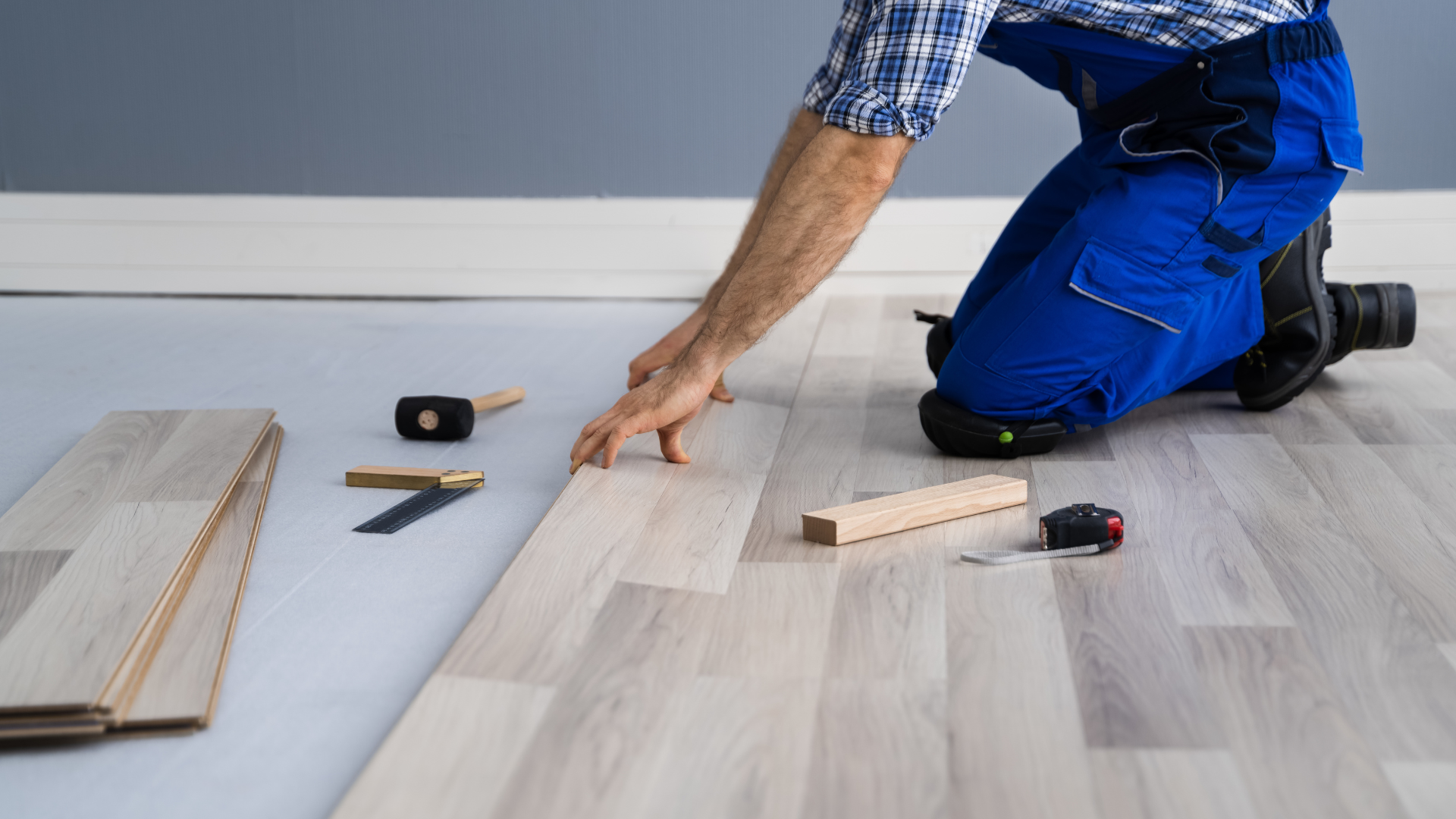
Laminate is the go-to for budget-conscious homeowners who still want the appearance of hardwood. It’s highly scratch-resistant and handles foot traffic well—making it perfect for homes with kids and pets. Plus, installation is DIY-friendly due to its click-lock system. It comes in endless colors and textures, allowing you to match any decor style easily.
What to consider:
That said, laminate flooring doesn’t do well with moisture. If water seeps into the seams, it can cause swelling or warping. It also can't be refinished like hardwood, so if it's damaged, it needs replacing. And while it looks great from a distance, it might not have the same warmth or feel as natural wood.
Vinyl Flooring
What is it?
Vinyl flooring is made entirely of synthetic materials like PVC. It’s available in sheets, planks, or tiles and can convincingly mimic the look of wood, stone, or ceramic.
Why homeowners love it:
Vinyl wins big on water resistance. It’s the top choice for kitchens, bathrooms, laundry rooms, and even basements. It’s also soft underfoot and generally quieter than both hardwood and laminate. Vinyl is also easy to clean and maintain—and very budget-friendly.
What to consider:
On the flip side, vinyl might not have the same premium feel or visual appeal as real wood. It can get scratched or torn if heavy furniture drags across it, and lower-quality vinyl can show wear faster. While many brands are improving eco-friendliness, it’s still primarily a petroleum-based product, which may be a concern for environmentally-conscious homeowners.
Comparing the Three Flooring Types
When it comes to price, hardwood is typically the most expensive of the three—both in material and professional installation. Laminate offers a happy medium, while vinyl is generally the most cost-effective option.
In terms of durability, hardwood can last the longest if maintained properly, but it’s also the most prone to scratches and moisture damage. Laminate is better at resisting daily wear and tear, but vulnerable to water. Vinyl, while not the toughest against sharp or heavy objects, wins hands-down for water resistance and low maintenance.
If your priority is timeless design and long-term value, hardwood is unmatched. For busy homes that need something durable and stylish without the hefty price tag, laminate is a strong choice. And if you want something worry-free in moisture-prone areas, vinyl gives you peace of mind without compromising on looks.
What Fits Your Lifestyle?
Still unsure? Here are a few quick scenarios to help you decide:
• Busy household with kids or pets: Laminate is scratch-resistant and easy to clean.
• Love entertaining and hosting dinner parties: Hardwood gives a rich, sophisticated look.
• Want a waterproof, low-fuss floor for the bathroom or basement: Vinyl is the hero here.
• Thinking resale value and longevity: Hardwood floors increase home value and can be refinished over time.
• Looking for quick installation on a tight budget: Laminate or vinyl are both DIY-friendly.
Making the Final Choice
Before you commit, think about your lifestyle and the specific rooms you’re renovating. Ask yourself:
• How much foot traffic does this room get?
• Will moisture be a regular issue?
• How much time can I realistically spend on maintenance?
• Do I plan to live here long-term or is this a short-term flip?
Also consider future resale value and whether the look and feel of the flooring matches the design of your home. And remember—while aesthetics are important, functionality should always come first.
Conclusion
Choosing between hardwood, laminate, and vinyl flooring isn’t just a design decision—it’s about finding the best match for your lifestyle, your home’s layout, and your future plans.
Each flooring type has its own strengths and potential drawbacks, but when you take the time to understand your needs, the right choice becomes clear.
If you’re still torn or want expert help choosing or installing flooring, Broko.ai is your go-to platform. Whether you’re looking for flooring specialists, home renovation advice, or customized property solutions, they connect you with trusted professionals who can bring your dream floors to life.
Popular Post
Recent Post